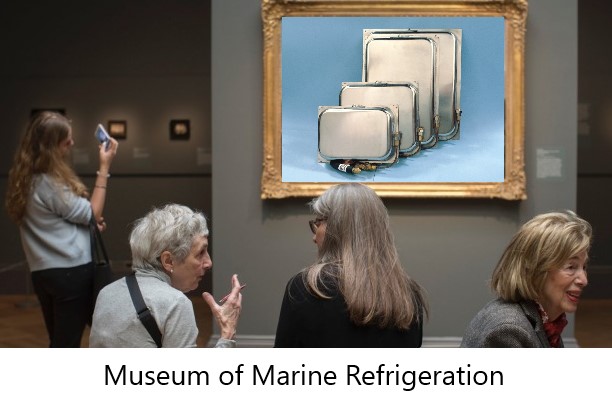

 In my kitchen at home we use cooking pots and pans made from a variety of metals, and I thought it would be an interesting project to delve into the pros and cons of each material and then go on to see how that works with refrigerator evaporators.
After all, cooking pots and fridge evaporators both utilize metal surfaces to transfer heat, so many similarities exist.
When cooking on the stove, we're conducting heat from an external source (the burners), through the material of the pot or pan to the contents in the interior.
Simple enough you'd think, but different metals have different characteristics, and work in different ways. The ability of a material to transfer heat is known as its Thermal Conductivity. This is quoted in various units, but here we'll use good old fashioned BTU's per hour per foot per degree Fahrenheit (Btu/hr-ft-F).
Listed below are some of the common metals used for cooking pots and pans together with their Thermal Conductivity rating, starting with the most conductive and ending with the least. Basically, the higher the number, the more heat the material will conduct through it
 Here's a fact: Heat travels in one direction only; from warm to cold. So if a temperature difference exists between two items, the warmer item will lose heat to the cooler item; so the warmer item gets colder, the colder item gets warmer.
 Did you know that there is an official measurement for a hairs breadth? Well, according to my conversion tables:
 We spend considerable time and effort trying to help boat operators understand how to look after their batteries, but we still hear of way too many premature deaths. So in an effort to get the message across from a different angle, we offer the following advice on how to inflict serious harm and punishment on expensive batteries without really trying.
 I recently had an air conditioning system replaced at my house. Out went the old energy hog with a noisy, fixed speed compressor, and in came a high efficiency unit with a quiet compressor and fan, both of which run at variable speeds. So, today’s question is: Why does varying the compressor speed increase efficiency, and how is that achieved?
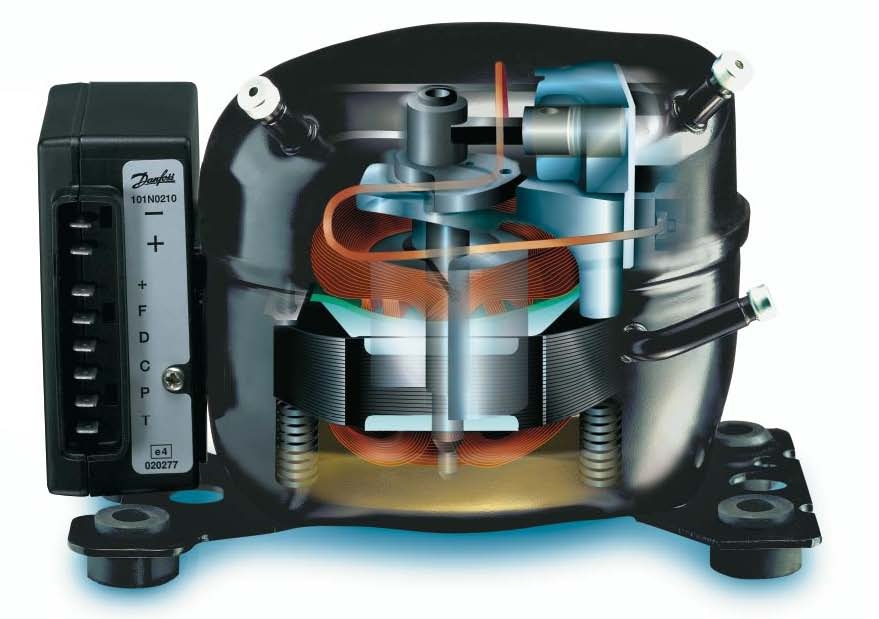 Efficiency in refrigeration and air conditioning systems is measured as a ratio of power out to power in, and can be in several forms. The Energy Efficiency Ratio (EER) is the ratio of output cooling energy in Btu’s to input electrical energy in watts under certain fixed conditions. So a system with an EER rating of 10 will produce 10 Btu’s of cooling for every watt of power consumed under the specified conditions. The Seasonal Energy Efficiency Ratio (SEER) that is used in commercial and residential equipment is similar to the EER, but is assessed over time and under varying conditions.
 At dealer technical training sessions run by marine equipment manufacturers, typically the last item on the agenda before everyone heads off home is the matter of warranty.

 It seems that there's an ongoing quest in some circles for the holy grail of boating comfort: 12 volt air conditioning. Yet few seem to fully appreciate the benefits of the more practical, but far less complex and substantially less expensive alternative: 115v AC air conditioning powered by a DC source through an inverter. Many boats these days already have inverters installed, and if not, there's a wide range of inexpensive models available that are suitable for powering small air conditioners.
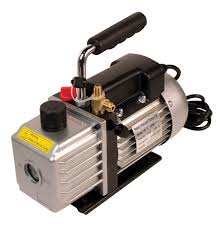 Unless other actions are also taken, using a vacuum pump to evacuate a R134a refrigeration system will almost certainly not result in a permanent resolution to particle or moisture blockages. This is true no matter how deep the vacuum or for how long the vacuum pump is run.
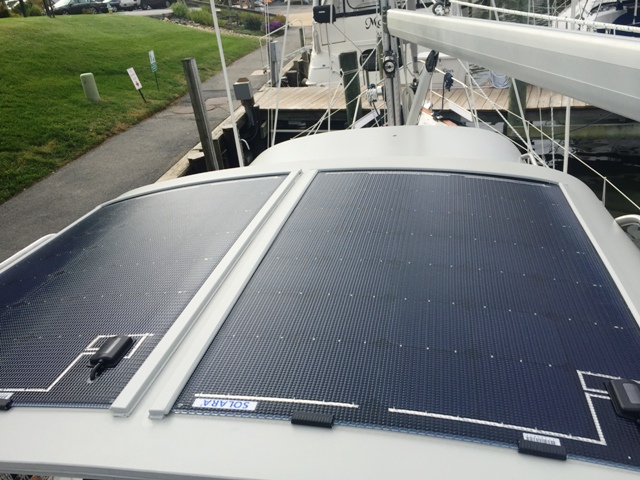



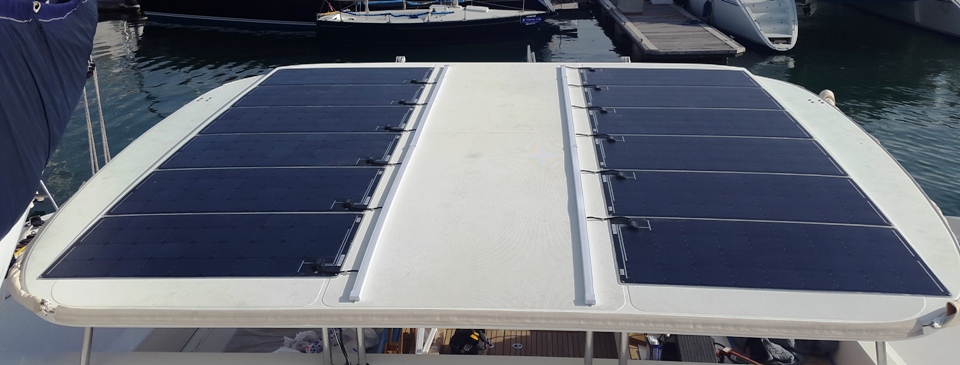 Typical marine solar panels are comprised of a number of silicon cells (normally 32+) connected together electrically in a series string. Individual silicon cells produce only around 0.6v to 0.7v, and so enough of them have to be connected together in series to produce a voltage high enough to be able to charge a 12v battery.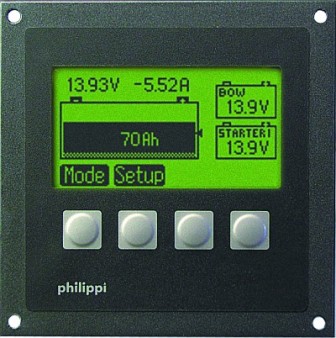
Phone: (301) 352-5738
Email: info@CoastalClimateControl.com
Office | Warehouse:
1598 Whitehall Road, Suite D
Annapolis, Maryland 21409